提纲2009年版三级网络技术复习提纲—第七章 服务器操作系统(2009 edition three level network technology review outline - Chapter seventh server operating system)
2009年版三级网络技术复习提纲—第七章服务器操作系统2009edition three level network technology review outline -
Chapter seventh server operating system
The 2009 edition of three network technology review outline -Chapter seventh server operating system.Txt
The seventh chapter is the analysis of network management andnetwork security: this part is the key, the general 6multiple-choice questions and fill in 2~3, about 10-12.Pay attention to the problem:
1, the five functions of network management: configurationmanagement, faul t management, performance management,accounting management and security management, and the role ofmanagement.
2, the level of information security, A1 security standards inthe United States Department of defense is the highest levelof security.
3, the basic elements of network security: confidentiality,integrity, availability and legitimacy, and the correspondingfour basic threat, and the threat can realize the commonknowledge into threats and threats into.
4, security is a concrete manifestation of security threats,interruption, interception, modification and fabrication.5, the introduction of the related knowledge of encryption
technology.
The principle of digital signature and authenticationtechnology in 6, and the difference between it and messageauthentication.
7, the firewall can only prevent violations of external netsintranet.
1, network management includes five functions: configurationmanagement, faul t management, performance management,accounting management and security management.
Configuration management is responsible for networkestablishment, service deployment and configuration datamaintenance function: list management, resource provisioning,service provisioning;
Fault management general steps: find fault, judge fault, faultisolation, fault recording, fault repair; at present is:detection, isolation and correction of fault;
Billing management goal is to use the tracking of individualand group users of the cyber source, charge a reasonable feefor the.
Performance management aims to maintain the quality of serviceand network efficiency. Performance management includingperformance testing, performance analysis, performancemanagement and control function.
Safety management goal is in accordance with certain controlstrategies for cyber source access, ensure that importantinformation will not be unauthorized user access, and preventnetwork by malicious or unintentional attacks.
The target and the network administrator 2, network managementresponsibilities:
Target: A, reduce downtime, shorten the response time andimprove the utilization rate of equipment; B, reduce operatingcosts, improve efficiency; C, reduce or eliminate the networkbottleneck; D, make the network more easy to use, safe andreliable; e network.
Responsibilities: planning, construction, maintenance,expansion, optimization and troubleshooting. Not including thepreparation of applications, it is the programmer' sresponsibility.
3, a manager/agent model : management is essentially a set ofapplications running on the computer operating system,management information collection, from the agency forprocessing, to obtain valuable management information, toachieve the purpose of management. Agent is located in manageddevices, it comes from the management commands or informationrequests into the device specific instruction, completemanagement instructions, or return its equipment information.Between the manager and agent information exchange can bedivided into two types: the agent management operations frommanagers; from agents to managers of the event notification.
4, network management protocol
(1) the concept is: information between network manager andagent specification.
(2) the network management protocol is a high-level networkapplication protocol, it is based on the physical network andcommunication protocol based on network management serviceplatform.
Network management protocol includes: simple networkmanagement protocol SNMP, common management informationservice / protocol CMIS/CMIP (telecommunication managementnetwork commonly used)
The management node is generally workstation class computerapplication oriented, with strong processing ability. Theproxy node can be any type of network node. SNMP is anapplication layer protocol, it uses the service transport layerand network layer to its peer layer information transmission;SNMP uses round robin monitoring method. CMIP has theadvantages of high safety, strong function, not only can be usedfor data transmission management, can also perform certaintasks.
5, information security includes 3 aspects: physical security,security control, security service,
To achieve authenticity, confidentiality, integrity andavailability of the target;
6, the information security level:
(1) the United States Department of defense Orange BookStandards (_STD) : D1 (standard level computer system withoutverification, such as DOS, Windows3.X, users of Windows95 (notin the working group in Apple, System7.X) ; C1 providesindependent safety protection, it makes users and dataseparation, to meet the needs of independent. The minimumsecurity level C2 level required for handling of sensitiveinformation, further restrict the user to execute commands oraccess to certain file permissions, but also the authenticationlevel, such as UNIX, XENIX, Novell, NetWare system version 3or higher, Windows NT; B1 is the first need a lot of accesscontrol support level. The level of security are confidential,secret level. The B2 level of all objects in a computer systemto add tags, and to the security level distribution equipment.B3 requires the user workstation or terminal through trustedway to connect to the network system, and the level of securitysystem to protect the hardware store, security key componentsof B3 system must understand the access to all of the objectto the subject. The highest level of security A1, show that thesystem provides the most comprehensive security) .
(2) the computer information security level in China: selfprotection, guidance, supervision and protection levelprotection, mandatory protection level, the control level ofprotection.
8, network security
(1) objective: transmission security storage security and
information; the basic elements of the realization ofinformation confidentiality, integrity, availability andlegitimacy.
(2) security threats is the damage caused by a person, thing,thing or concept of a resource of confidentiality, integrity,availability or legitimacy.
(3) security threats are divided into two types of intentionaland accidental. Intentional threats can be divided into twotypes of passive and active.
Basic threat: information disclosure or loss -confidentiality,data integrity, integrity, availability, non - denial ofservice access legitimacy;
Infiltration of threat: counterfeiting, bypass control,authorization assault;
Implant threat: Troy Trojan, trapdoor;
The potential threat of eavesdropping, traffic analysis,personnel negligence, cleaning media.
(4) security attacks: from unauthorized entities have accessto resources, confidentiality of the attack; modification isunauthorized entities not only get access, but alsoaltered theresources of the integrity of the attack; interruption isdestroyed or become the system resources can not be used, isthe availability of the attack; it is unauthorized entitiesinto the fake object to the system, is on the legitimacy of the
attack.
(5) active attack and passive attack:
The characteristics of passive attacks is to monitor or monitor.The aim is to obtainthe information beingtransmitted. Passiveattacks: disclosure of information content and trafficanalysis etc. .
Active attack involves modifying the data stream or create thewrong data flow, it includes camouflage, replay, modifyinformation, denial of service, distributed denial of service.From the perspective of network protocol, the attack methodscan be summarized as: service attack and non attack service.Service attack is for a specific network services (such asE-mail (Telnet, FTP, mail bomb) , HTTP attacks) . Non serviceattack is not for a specific application service, but the lowlayer network layer protocol based on the. Non service attackby agreement or protocol when the operating systemvulnerabilities to achieve the purpose of attack, is a moreeffective means of attack, such as source routing attacks andNetXBay spoofing, etc. .
(9) safety strategy: the majesty of the law, advancedtechnology, strict management (10) safety managementprinciples: the principle of people is responsible for alimited term, the principle, the principle of separation ofduties
9, encryption technology
(1) several related concepts: called plaintext messages needto be hidden. The plaintext is transformed into another hiddenform called ciphertext,
This transformation is called encryption, the reverse processof encryption of plaintext is called decryption; a set of rulesfor encryption is called the encryption algorithm, a set ofrules by the cipher decryption called decryption algorithm;encryption algorithm and decryption algorithm is usuallycarried out in a group under the control of the key, theencryption algorithm used by the key as the encryption key,using the decryption key is called the decryption key encodingis used; password encryption, cryptanalysis (exhaustiveanalysis, to try all possible half) is used to decrypt, is acategory of cryptography.
(4) classification system password:
According to the plaintext into ciphertext operation type isdivided into: substitution or replacement of the password andthe password.
According to the number of keys is divided into: symmetriccryptography and asymmetric cryptography.
(5) the data encryption technology can be divided into 3categories: symmetric encryption, asymmetric encryption andnon reversible encryption.
Symmetric encryption for data encryption or decryption using
a single key, also known as single key encryption, passwordencryption, or conventional secret key encryption algorithm,such as DES.
Asymmetric encryption algorithm is characterized by two keys,only two collocation use to complete the encryption anddecryption process. Another usage of asymmetric encryption iscalled a"digital signature" is the commonly used RSA algorithmand digital signature algorithm DSA.
Irreversible encryption algorithm is a one-way hash algorithm,feature is encryption process does not require a key, and theencrypted data cannot be decrypted, only the same input datathrough the irreversible algorithm to the same encrypted datathe same.
(6) encryption scheme is that the two situations of safety:One is to decipher the ciphertext encrypted information exceedsthe cost of the value; two is valid to decipher the confidentialinformation over time.
(7) part of the symmetric encryption system model: encryptionalgorithm, encryption key, plaintext, ciphertext anddecryption algorithm.
Symmetric encryption is also called conventional encryption,single key encryption, secret key encryption, there are twosecurity requirements: need a strong encryption algorithm; thesender and recipient must be in a safe way to obtain a copy ofthe secret key, must ensure the security of the key. Its
- 提纲2009年版三级网络技术复习提纲—第七章 服务器操作系统(2009 edition three level network technology review outline - Chapter seventh server operating system)相关文档
- 投标报价前请认真阅读,如递交投标文件即视为认可本文件的所有条款.
- 顺义区服务器版操作系统
- 磋商服务器版操作系统
- 投标人服务器版操作系统
- 测量【精选】dell服务器r710安装centos版linux操作系统
- 服务器选择Ubuntu服务器版操作系统的六大理由
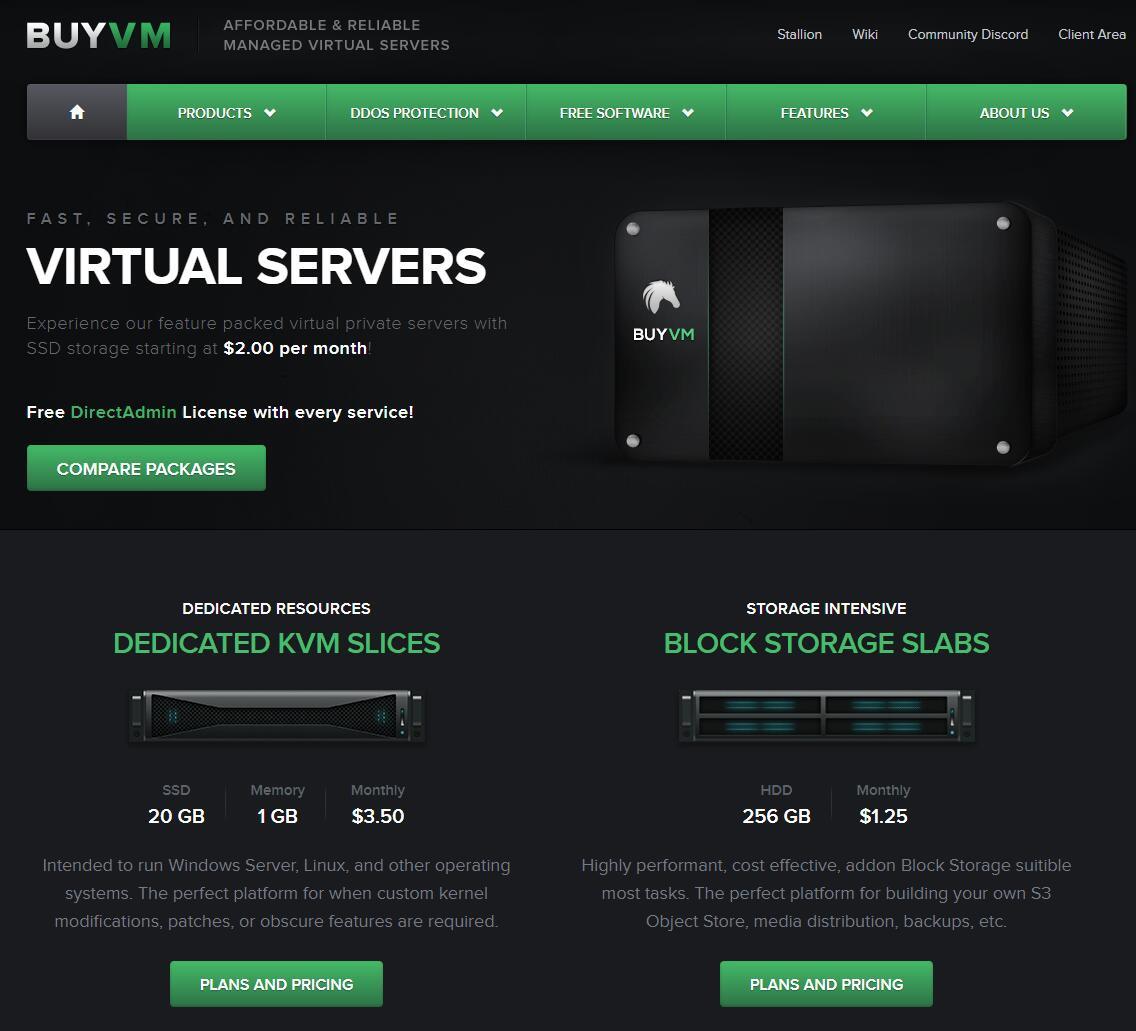
Buyvm:VPS/块存储补货1Gbps不限流量/$2起/月
BuyVM测评,BuyVM怎么样?BuyVM好不好?BuyVM,2010年成立的国外老牌稳定商家,Frantech Solutions旗下,主要提供基于KVM的VPS服务器,数据中心有拉斯维加斯、纽约、卢森堡,付费可选强大的DDOS防护(月付3美金),特色是1Gbps不限流量,稳定商家,而且卢森堡不限版权。1G或以上内存可以安装Windows 2012 64bit,无需任何费用,所有型号包括免费的...
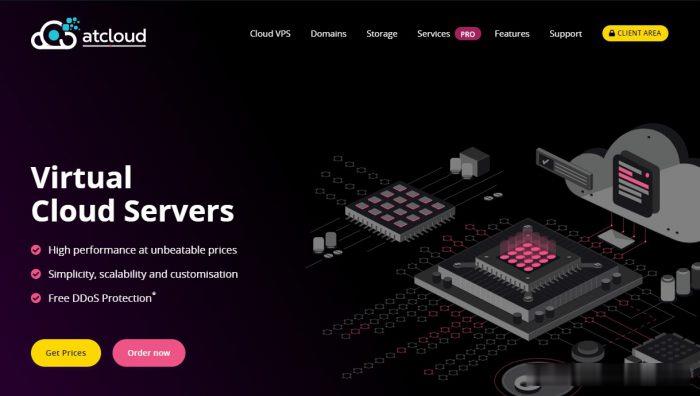
Atcloud:全场8折优惠,美国/加拿大/英国/法国/德国/新加坡vps,500g大硬盘/2T流量/480G高防vps,$4/月
atcloud怎么样?atcloud刚刚发布了最新的8折优惠码,该商家主要提供常规cloud(VPS)和storage(大硬盘存储)系列VPS,其数据中心分布在美国(俄勒冈、弗吉尼亚)、加拿大、英国、法国、德国、新加坡,所有VPS默认提供480Gbps的超高DDoS防御。Atcloud高防VPS。atcloud.net,2020年成立,主要提供基于KVM虚拟架构的VPS、只能DNS解析、域名、SS...
PacificRack - 洛杉矶QN机房 低至年$7.2 同有站群多IP地址VPS主机
需要提前声明的是有网友反馈到,PacificRack 商家是不支持DD安装Windows系统的,他有安装后导致服务器被封的问题。确实有一些服务商是不允许的,我们尽可能的在服务商选择可以直接安装Windows系统套餐,毕竟DD安装的Win系统在使用上实际上也不够体验好。在前面有提到夏季促销的"PacificRack夏季促销PR-M系列和多IP站群VPS主机 年付低至19美元"有提到年付12美元的洛杉...

-
站酷zcool有那位知道从哪个网站能下到广告素材嘀动网手机一键通用来干嘛呢?同一ip网站同IP的网站互相链接会被K吗?百度关键词分析百度关键字分析是什么意思?haole018.com为什么www.haole008.com在我这里打不开啊,是不是haole008换新的地址了?百度指数词百度指数为0的词 为啥排名没有www.kaspersky.com.cn现在网上又有病毒了?www.ijinshan.com驱动人生是电脑自带的还是要安装啊!?在哪里呢?没有找到www.toutoulu.com外链方案到底应该怎么弄呢sodu.tw台湾的可以看小说的网站