getsockoptsocket的send()方法的发送目的地址放在哪个参数里面?
getsockopt 时间:2021-08-02 阅读:(
)
求VC++中的头文件Afxcsock.h
直接给你吧,保存为Afxsock.h 不是Afxcsock.h 路径是 在VC98MFCINCLUDE
// This is a part of the Microsoft Foundation Classes C++ library.
// Copyright (C) 1992-1998 Microsoft Corporation
// All rights reserved.
//
// This source code is only intended as a supplement to the
// Microsoft Foundation Classes Reference and related
// electronic documentation provided with the library.
// See these sources for detailed information regarding the
// Microsoft Foundation Classes product.
#ifndef __AFXSOCK_H__
#define __AFXSOCK_H__
#ifdef _AFX_NO_SOCKET_SUPPORT
#error Windows Sockets classes not supported in this library variant.
#endif
#ifndef __AFXWIN_H__
#include
#endif
#ifndef _WINSOCKAPI_
#include
#endif
#ifdef _AFX_MINREBUILD
#ponent(minrebuild, off)
#endif
#ifndef _AFX_FULLTYPEINFO
#ponent(mintypeinfo, on)
#endif
#ifndef _AFX_NOFORCE_LIBS
/////////////////////////////////////////////////////////////////////////////
// Win32 libraries
#ifdef _AFXDLL
#if defined(_DEBUG) && !defined(_AFX_MONOLITHIC)
#ifndef _UNICODE
#ment(lib, "42d.lib")
#else
#ment(lib, "42ud.lib")
#endif
#endif
#endif
#ment(lib, "wsock32.lib")
#endif //!_AFX_NOFORCE_LIBS
/////////////////////////////////////////////////////////////////////////////
#ifdef _AFX_PACKING
#pragma pack(push, _AFX_PACKING)
#endif
/////////////////////////////////////////////////////////////////////////////
// AFXSOCK - MFC support for Windows Sockets
// Classes declared in this file
// CObject
class CAsyncSocket; // Async Socket implementation and
// base class for Synchronous Socket
class CSocket; // Synchronous Socket
// CFile
class CSocketFile; // Used with CSocket and CArchive for
// streaming objects on sockets.
/////////////////////////////////////////////////////////////////////////////
// AFXDLL support
#undef AFX_DATA
#define AFX_DATA AFX_NET_DATA
/////////////////////////////////////////////////////////////////////////////
// CSocketWnd -- internal use only
// Implementation for sockets notification callbacks.
// Future versions of MFC may or may not include this exact class.
class CSocketWnd : public CWnd
{
// Construction
public:
CSocketWnd();
protected:
//{{AFX_MSG(CSocketWnd)
LRESULT OnSocketNotify(WPARAM wParam, LPARAM lParam);
LRESULT OnSocketDead(WPARAM wParam, LPARAM lParam);
//}}AFX_MSG
DECLARE_MESSAGE_MAP()
};
/////////////////////////////////////////////////////////////////////////////
// CAsyncSocket
class CAsyncSocket : public CObject
{
DECLARE_DYNAMIC(CAsyncSocket);
private:
CAsyncSocket(const CAsyncSocket& rSrc); // no implementation
void operator=(const CAsyncSocket& rSrc); // no implementation
// Construction
public:
CAsyncSocket();
BOOL Create(UINT nSocketPort = 0, int nSocketType=SOCK_STREAM,
long lEvent = FD_READ | FD_WRITE | FD_OOB | FD_ACCEPT | FD_CONNECT | FD_CLOSE,
LPCTSTR lpszSocketAddress = NULL);
// Attributes
public:
SOCKET m_hSocket;
operator SOCKET() const;
BOOL Attach(SOCKET hSocket, long lEvent =
FD_READ | FD_WRITE | FD_OOB | FD_ACCEPT | FD_CONNECT | FD_CLOSE);
SOCKET Detach();
BOOL GetPeerName(CString& rPeerAddress, UINT& rPeerPort);
BOOL GetPeerName(SOCKADDR* lpSockAddr, int* lpSockAddrLen);
BOOL GetSockName(CString& rSocketAddress, UINT& rSocketPort);
BOOL GetSockName(SOCKADDR* lpSockAddr, int* lpSockAddrLen);
BOOL SetSockOpt(int nOptionName, const void* lpOptionValue,
int nOptionLen, int nLevel = SOL_SOCKET);
BOOL GetSockOpt(int nOptionName, void* lpOptionValue,
int* lpOptionLen, int nLevel = SOL_SOCKET);
static CAsyncSocket* PASCAL FromHandle(SOCKET hSocket);
static int PASCAL GetLastError();
// Operations
public:
virtual BOOL ept(CAsyncSocket& rConnectedSocket,
SOCKADDR* lpSockAddr = NULL, int* lpSockAddrLen = NULL);
BOOL Bind(UINT nSocketPort, LPCTSTR lpszSocketAddress = NULL);
BOOL Bind (const SOCKADDR* lpSockAddr, int nSockAddrLen);
virtual void Close();
BOOL Connect(LPCTSTR lpszHostAddress, UINT nHostPort);
BOOL Connect(const SOCKADDR* lpSockAddr, int nSockAddrLen);
BOOL IOCtl(long lCommand, DWORD* lpArgument);
BOOL Listen(int nConnectionBacklog=5);
virtual int Receive(void* lpBuf, int nBufLen, int nFlags = 0);
int ReceiveFrom(void* lpBuf, int nBufLen,
CString& rSocketAddress, UINT& rSocketPort, int nFlags = 0);
int ReceiveFrom(void* lpBuf, int nBufLen,
SOCKADDR* lpSockAddr, int* lpSockAddrLen, int nFlags = 0);
enum { receives = 0, sends = 1, both = 2 };
BOOL ShutDown(int nHow = sends);
virtual int Send(const void* lpBuf, int nBufLen, int nFlags = 0);
int SendTo(const void* lpBuf, int nBufLen,
UINT nHostPort, LPCTSTR lpszHostAddress = NULL, int nFlags = 0);
int SendTo(const void* lpBuf, int nBufLen,
const SOCKADDR* lpSockAddr, int nSockAddrLen, int nFlags = 0);
BOOL AsyncSelect(long lEvent =
FD_READ | FD_WRITE | FD_OOB | FD_ACCEPT | FD_CONNECT | FD_CLOSE);
// Overridable callbacks
protected:
virtual void OnReceive(int nErrorCode);
virtual void OnSend(int nErrorCode);
virtual void OnOutOfBandData(int nErrorCode);
virtual void ept(int nErrorCode);
virtual void OnConnect(int nErrorCode);
virtual void OnClose(int nErrorCode);
// Implementation
public:
virtual ~CAsyncSocket();
static CAsyncSocket* PASCAL LookupHandle(SOCKET hSocket, BOOL bDead = FALSE);
static void PASCAL AttachHandle(SOCKET hSocket, CAsyncSocket* pSocket, BOOL bDead = FALSE);
static void PASCAL DetachHandle(SOCKET hSocket, BOOL bDead = FALSE);
static void PASCAL KillSocket(SOCKET hSocket, CAsyncSocket* pSocket);
static void PASCAL DoCallBack(WPARAM wParam, LPARAM lParam);
BOOL Socket(int nSocketType=SOCK_STREAM, long lEvent =
FD_READ | FD_WRITE | FD_OOB | FD_ACCEPT | FD_CONNECT | FD_CLOSE,
int nProtocolType = 0, int nAddressFormat = PF_INET);
#ifdef _DEBUG
virtual void AssertValid() const;
virtual void Dump(CDumpContext& dc) const;
#endif
protected:
friend class CSocketWnd;
virtual BOOL ConnectHelper(const SOCKADDR* lpSockAddr, int nSockAddrLen);
virtual int ReceiveFromHelper(void* lpBuf, int nBufLen,
SOCKADDR* lpSockAddr, int* lpSockAddrLen, int nFlags);
virtual int SendToHelper(const void* lpBuf, int nBufLen,
const SOCKADDR* lpSockAddr, int nSockAddrLen, int nFlags);
};
/////////////////////////////////////////////////////////////////////////////
// CSocket
class CSocket : public CAsyncSocket
{
DECLARE_DYNAMIC(CSocket);
private:
CSocket(const CSocket& rSrc); // no implementation
void operator=(const CSocket& rSrc); // no implementation
// Construction
public:
CSocket();
BOOL Create(UINT nSocketPort = 0, int nSocketType=SOCK_STREAM,
LPCTSTR lpszSocketAddress = NULL);
// Attributes
public:
BOOL IsBlocking();
static CSocket* PASCAL FromHandle(SOCKET hSocket);
BOOL Attach(SOCKET hSocket);
// Operations
public:
void CancelBlockingCall();
// Overridable callbacks
protected:
virtual BOOL OnMessagePending();
// Implementation
public:
int m_nTimeOut;
virtual ~CSocket();
static int PASCAL ProcessAuxQueue();
virtual BOOL ept(CAsyncSocket& rConnectedSocket,
SOCKADDR* lpSockAddr = NULL, int* lpSockAddrLen = NULL);
virtual void Close();
virtual int Receive(void* lpBuf, int nBufLen, int nFlags = 0);
virtual int Send(const void* lpBuf, int nBufLen, int nFlags = 0);
int SendChunk(const void* lpBuf, int nBufLen, int nFlags);
protected:
friend class CSocketWnd;
BOOL* m_pbBlocking;
int m_nConnectError;
virtual BOOL ConnectHelper(const SOCKADDR* lpSockAddr, int nSockAddrLen);
virtual int ReceiveFromHelper(void* lpBuf, int nBufLen,
SOCKADDR* lpSockAddr, int* lpSockAddrLen, int nFlags);
virtual int SendToHelper(const void* lpBuf, int nBufLen,
const SOCKADDR* lpSockAddr, int nSockAddrLen, int nFlags);
static void PASCAL AuxQueueAdd(UINT message, WPARAM wParam, LPARAM lParam);
virtual BOOL PumpMessages(UINT Flag);
#ifdef _DEBUG
virtual void AssertValid() const;
virtual void Dump(CDumpContext& dc) const;
#endif
};
/////////////////////////////////////////////////////////////////////////////
// CSocketFile
class CSocketFile : public CFile
{
DECLARE_DYNAMIC(CSocketFile)
public:
//Constructors
CSocketFile(CSocket* pSocket, BOOL bArchiveCompatible = TRUE);
// Implementation
public:
CSocket* m_pSocket;
BOOL m_bArchiveCompatible;
virtual ~CSocketFile();
#ifdef _DEBUG
virtual void AssertValid() const;
virtual void Dump(CDumpContext& dc) const;
#endif
virtual UINT Read(void* lpBuf, UINT nCount);
virtual void Write(const void* lpBuf, UINT nCount);
virtual void Close();
// Unsupported APIs
virtual BOOL Open(LPCTSTR lpszFileName, UINT nOpenFlags, CFileException* pError = NULL);
virtual CFile* Duplicate() const;
virtual DWORD GetPosition() const;
virtual LONG Seek(LONG lOff, UINT nFrom);
virtual void SetLength(DWORD dwNewLen);
virtual DWORD GetLength() const;
virtual void LockRange(DWORD dwPos, DWORD dwCount);
virtual void UnlockRange(DWORD dwPos, DWORD dwCount);
virtual void Flush();
virtual void Abort();
};
/////////////////////////////////////////////////////////////////////////////
// Global functions
BOOL AFXAPI AfxSocketInit(WSADATA* lpwsaData = NULL);
void AFXAPI AfxSocketTerm();
/////////////////////////////////////////////////////////////////////////////
// Inline function declarations
#ifdef _AFX_PACKING
#pragma pack(pop)
#endif
#ifdef _AFX_ENABLE_INLINES
#define _AFXSOCK_INLINE AFX_INLINE
#include
#undef _AFXSOCK_INLINE
#endif
#undef AFX_DATA
#define AFX_DATA
#ifdef _AFX_MINREBUILD
#ponent(minrebuild, on)
#endif
#ifndef _AFX_FULLTYPEINFO
#ponent(mintypeinfo, off)
#endif
#endif // __AFXSOCK_H__
/////////////////////////////////////////////////////////////////////////////C语言 send()函数理解
使用函数getsockopt获得发送缓冲区的长度。
用法如下:
int sockfd;
int val;
int len;
sockfd = socket (AF_INET, SOCK_STREAM, 0);
len = sizeof (val);
getsockopt( sockfd, SOL_SOCKET, SO_SNDBUF, &val, &len);
printf ("sndbuf len=%d
", val);
在32位linux系统上发送缓冲区为16K ,可以使用setsockopt()修改,会影响网络性能想用getsockopt取得当前socket的状态,但是第三个参数怎么设置啊。
选项 类型 意义
SO_ACCEPTCONN BOOL 套接口正在用listen()监听。
SO_BROADCAST BOOL 套接口设置为传送广播信息。
SO_DEBUG BOOL 允许调试。
SO_DONTLINER BOOL 若为真,则SO_LINGER选项被禁止。
SO_DONTROUTE BOOL 禁止选径。
SO_ERROR int 获取错误状态并清除。
SO_KEEPALIVE BOOL 发送“保持活动”信息。
SO_LINGER struct linger FAR* 返回当前各linger选项。
SO_OOBINLINE BOOL 在普通数据流中接收带外数据。
SO_RCVBUF int 接收缓冲区大小。
SO_REUSEADDR BOOL 套接口能和一个已在使用中的地址捆绑。
SO_SNDBUF int 发送缓冲区大小。
SO_TYPE int 套接口类型(如SOCK_STREAM)。
TCP_NODELAY BOOL 禁止发送合并的Nagle算法。
这些就足够了,自己选吧socket的send()方法的发送目的地址放在哪个参数里面?
send是TCP通信的发送方法,在send之前保证建立了socket通信连接,socket中记录了与之连接的对方的地址,所以可以说是第一个参数SOCKET记录了要发往的地址;注:TCP套接字只能进行一对一的通信,所以不需要地址再来进行目的地的标识,套接字就可以确定要发往的方向;
SOCKET Sock;
Sock=socket(AF_INET,SOCK_STREAM,IPPROTO_TCP);
connect(Sock,。
。
。
。
。
。
。
);
char *buf;
send(Sock,buf,strlen(buf),0);
其中就是Sock记录的你要发往的目的地;
只有UDP通信才要写入对方地址,UDP套接可以进行多对多的通信,所以在发送的时候要写入对方地址;
UDP调用sendto()方法;可以查看MSDN
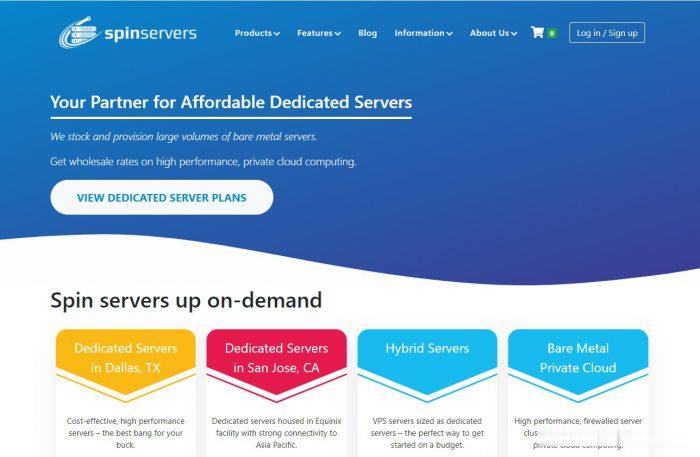
spinservers怎么样?spinservers大硬盘服务器。Spinservers刚刚在美国圣何塞机房补货120台独立服务器,CPU都是双E5系列,64-512GB DDR4内存,超大SSD或NVMe存储,数量有限,机器都是预部署好的,下单即可上架,无需人工干预,有需要的朋友抓紧下单哦。Spinservers是Majestic Hosting Solutions,LLC旗下站点,主营美国独立...
RAKsmart 商家我们肯定不算陌生,目前主要的营销客户群肯定是我们。于是在去年的时候有新增很多很多的机房,比如也有测试过的日本、香港、美国机房,这不今年有新增韩国机房(记得去年是不是也有增加过)。且如果没有记错的话,之前VPS主机也有一次磁盘故障的问题。
这不今天有看到商家新增韩国服务器产品,当然目前我还不清楚商家韩国服务器的线路和速度情况,后面我搞一台测试机进行...
Hostodo近日发布了美国独立日优惠促销活动,主要推送了四款特价优惠便宜的VPS云服务器产品,基于KVM虚拟架构,NVMe阵列,1Gbps带宽,默认分配一个IPv4+/64 IPv6,采用solusvm管理,赠送收费版DirectAdmin授权,服务有效期内均有效,大致约为7折优惠,独立日活动时间不定,活动机型售罄为止,有需要的朋友可以尝试一下。Hostodo怎么样?Hostodo服务器好不好?...
getsockopt为你推荐
笛卡尔乘积笛卡尔乘积的运算性质apple以旧换新苹果手机以旧换新划算吗?战棋类有谁介绍几个战棋类的游戏?密码设置电脑怎么设置密码高质量图片怎么高品质地保存图片色温图led色温6000k显示是什么颜色呢?手机壳生产厂家手机保护套保护壳厂家dreamweaver序列号DW序列号是多少啊spinmaster技术滑板截图方法空间图片qq空间图片
vps交流 域名解析文件 服务器日志分析 警告本网站 中国电信测网速 速度云 河南移动网 服务器合租 申请免费空间和域名 网页提速 网购分享 英国伦敦 德讯 lamp是什么意思 带宽测试 美国十大啦 weblogic部署 一句话木马 电脑显示屏不亮但是主机已开机 电脑主机打不开 更多