蓝牙开发iOS的蓝牙开发跟Android有什么不同
蓝牙开发 时间:2021-08-02 阅读:()
蓝牙技术主要是什么
"蓝牙"(Bluetooth)是一种低功率短距离的无线连接技术标准的代称,"蓝牙"一词取自一位在公元10世纪统一了丹麦的国王,哈拉德二世、(Harald)的绰号,即"蓝牙"(Bluetooth)。"蓝牙"技术的最初倡导者是五家世界著名的计算机和通信公司:爱立信Ericsson, 国际商用机器IBM, 英特尔Intel, 诺基亚Nokia, 和东芝Toshiba。
并于1998年5月成立了"蓝牙"特殊利益集团(Bluetooth Special Interest Group-SIG) ,该组织采取了向产业界无偿转让该项专利技术的策略,以实现其全球统一标准的目标。
其目标是实现最高数据传输速度1Mbps(有效传输速度为721kbps)、最大传输距离达10米,用户不必经过允许便可利用2.4GHz的ISM(工业、科学、医学)频带,在其上设立79个带宽为1MHz的信道,用每秒钟切换1600次的频率、滚齿(hobbing)方式的频谱扩散技术来实现电波的收发。
这也就是蓝牙技术的由来和特点。
使用蓝牙技术进行通信的设备,分为决定频率滚齿模式"主叫方"和它的通信对手"受取方"。
主叫方可同时与7台受取方通信。
因此可以把主叫方连同7台受取方共8台设备连接成名为(锯齿网)的子网。
内的受取方可以同时作为两个以上的受取方。
1999年7月,蓝牙公布了正式规格BluetoothVersion 1.0。
遵从这一规格的移动电话和笔记本电脑将于1999年底或2000年初上市。
声称要把蓝牙技术产品化的企业正与日俱增,目前蓝牙标准化团体"BluetoothSIG(特 别兴趣组合)"的成员企业数已增加到800家以上。
"蓝牙"技术的设计初衷就是将智能移动电话与笔记本电脑、掌上电脑以及各种数字化的信息设备都能不再用电缆,而是用一种小型的、低成本的无线通信技术连接起来;进而形成一种个人身边的网络,使得在其范围之内各种信息化的移动便携设备都能无缝地实现资源共享。
据国外权威机构预计,几年以后,全世界将会有数以亿计的数字移动电话、PC机以及各种信息设备都会将基于蓝牙技术的无线接口作为一种标准配置。
蓝牙技术将在多种领域迅速发展,其典型应用环境包括无线办公环境(Wireless Office)、汽车工业、医疗设备等。
Bluetooth将在人们的日常生活和工作中扮演重要角色,市场潜力巨大,该技术正成为21世纪的投资热点。
所谓蓝牙(Bluetooth)技术,实际上是一种短距离无线通信技术,利用“蓝牙”技术,能够有效地简化掌上电脑、笔记本电脑和移动电话手机等移动通信终端设备之间的通信,也能够成功地简化以上这些设备与之间的通信,从而使这些现代通信设备与因特网之间的数据传输变得更加迅速高效,为无线通信拓宽道路。
说得通俗一点,就是蓝牙技术使得现代一些轻易携带的移动通信设备和电脑设备,不必借助电缆就能联网,并且能够实现无线上因特网,其实际应用范围还可以拓展到各种家电产品、消费电子产品和汽车等信息家电,组成一个巨大的无线通信网络。
“蓝牙”的形成背景是这样的:1998年5月,爱立信、诺基亚、东芝、IBM和英特尔公司等五家著名厂商,在联合开展短程无线通信技术的标准化活动时提出了蓝牙技术,其宗旨是提供一种短距离、低成本的无线传输应用技术。
这五家厂商还成立了蓝牙特别兴趣组,以使蓝牙技术能够成为未来的无线通信标准。
芯片霸主Intel公司负责半导体芯片和传输软件的开发,爱立信负责无线射频和移动电话软件的开发,IBM和东芝负责笔记本电脑接口规格的开发。
1999年下半年,著名的业界巨头微软、摩托罗拉、三康、朗讯与蓝牙特别小组的五家公司共同发起成立了蓝牙技术推广组织,从而在全球范围内掀起了一股“蓝牙”热潮。
全球业界即将开发一大批蓝牙技术的应用产品,使蓝牙技术呈现出极其广阔的市场前景,并预示着21世纪初将迎来波澜壮阔的全球无线通信浪潮。
什么是蓝牙? 蓝牙(Bluetooth)是由东芝、爱立信、IBM、Intel和诺基亚于1998年5月共同提出的近距离无线数据通讯技术标准。
它能够在10米的半径范围内实现单点对多点的无线数据和声音传输,其数据传输带宽可达1Mbps。
通讯介质为频率在2.402GHz到2.480GHz之间的电磁波。
蓝牙通讯技术的特点 ■蓝牙工作在全球开放的2.4GHz ISM(即工业、科学、医学)频段; ■使用跳频频谱扩展技术,把频带分成若干个跳频信道(hop channel),在一次连接中,无线电收发器按一定的码序列不断地从一个信道“跳”到另一个信道; ■一台蓝牙设备可同时与其它七台蓝牙设备建立连接; ■数据传输速率可达1Mbit/s; ■低功耗、通讯安全性好; ■在有效范围内可越过障碍物进行连接,没有特别的通讯视角和方向要求; ■支持语音传输; ■组网简单方便 蓝牙通讯技术的用途 蓝牙技术是一种新兴的技术,尚未投入广泛应用,目前许多蓝牙设备还处于实验室试验阶段。
但可以肯定的是现在多数具有红外无线数据通讯功能的设备,在将来一样可以使用蓝牙技术来实现无线连接。
同时蓝牙技术的网络特点和语音传输技术使它还可以实现红外技术无法实现的某些特定功能,如无线电话、多台设备组网等等。
厂家和消费者的认同度 蓝牙技术已获得了两千余家企业的响应,从而拥有了巨大的开发和生产能力。
蓝牙已拥有了很高的知名度,广大消费者对这一技术很有兴趣。
植入成本 目前市面上的蓝牙设备还是比较少见。
USB接口蓝牙适配器、蓝牙PC卡和蓝牙手机已经有了面向市场的产品,售价都很高。
由此可见蓝牙早期发展阶段植入成本还是比较高的。
但估计批量化后植入成本可在30美元以下。
在蓝牙技术发展成熟的时期,植入成本应该可以控制在10美元以内。
如何实现android蓝牙开发 自动配对连接,并不弹出提示框
我就开始查找怎么关闭这个蓝牙配对提示框,后面还是伟大的android源码帮助了我。在源码 BluetoothDevice 类中还有两个隐藏方法 cancelBondProcess()和cancelPairingUserInput() 这两个方法一个是取消配对进程一个是取消用户输入 下面是自动配对的代码 Mainfest,xml注册 1 <</code>receiver android:name=".BluetoothConnectActivityReceiver" > 2 <</code>intent-filter> 3 <</code>action android:name="android.bluetooth.device.action.PAIRING_REQUEST" /> 4 </</code>intent-filter> 5 </</code>receiver> 自己在收到广播时处理并将预先输入的密码设置进去 01 public class BluetoothConnectActivityReceiver extends BroadcastReceiver 02 { 03 04 String strPsw = "0"; 05 06 @Override 07 public void onReceive(Context context, Intent intent) 08 { 09 // TODO Auto-generated method stub 10 if (intent.getAction().equals( 11 "android.bluetooth.device.action.PAIRING_REQUEST")) 12 { 13 BluetoothDevice btDevice = intent 14 .getParcelableExtra(BluetoothDevice.EXTRA_DEVICE); 15 16 // byte[] pinBytes = BluetoothDevice.convertPinToBytes("1234"); 17 // device.setPin(pinBytes); 18 Log.i("tag11111", "ddd"); 19 try 20 { 21 ClsUtils.setPin(btDevice.getClass(), btDevice, strPsw); // 手机和蓝牙采集器配对 22 ClsUtils.createBond(btDevice.getClass(), btDevice); 23 ClsUtils.cancelPairingUserInput(btDevice.getClass(), btDevice); 24 } 25 catch (Exception e) 26 { 27 // TODO Auto-generated catch block 28 e.printStackTrace(); 29 } 30 } 31 32 33 } 34 } 001 002 import java.lang.reflect.Field; 003 import java.lang.reflect.Method; 004 005 import android.bluetooth.BluetoothDevice; 006 import android.util.Log; 007 public class ClsUtils 008 { 009 010 014 static public boolean createBond(Class btClass, BluetoothDevice btDevice) 015 throws Exception 016 { 017 Method createBondMethod = btClass.getMethod("createBond"); 018 Boolean returnValue = (Boolean) createBondMethod.invoke(btDevice); 019 return returnValue.booleanValue(); 020 } 021 022 026 static public boolean removeBond(Class btClass, BluetoothDevice btDevice) 027 throws Exception 028 { 029 Method removeBondMethod = btClass.getMethod("removeBond"); 030 Boolean returnValue = (Boolean) removeBondMethod.invoke(btDevice); 031 return returnValue.booleanValue(); 032 } 033 034 static public boolean setPin(Class btClass, BluetoothDevice btDevice, 035 String str) throws Exception 036 { 037 try 038 { 039 Method removeBondMethod = btClass.getDeclaredMethod("setPin", 040 new Class[] 041 {byte[].class}); 042 Boolean returnValue = (Boolean) removeBondMethod.invoke(btDevice, 043 new Object[] 044 {str.getBytes()}); 045 Log.e("returnValue", "" + returnValue); 046 } 047 catch (SecurityException e) 048 { 049 // throw new RuntimeException(e.getMessage()); 050 e.printStackTrace(); 051 } 052 catch (IllegalArgumentException e) 053 { 054 // throw new RuntimeException(e.getMessage()); 055 e.printStackTrace(); 056 } 057 catch (Exception e) 058 { 059 // TODO Auto-generated catch block 060 e.printStackTrace(); 061 } 062 return true; 063 064 } 065 066 // 取消用户输入 067 static public boolean cancelPairingUserInput(Class btClass, 068 BluetoothDevice device) 069 070 throws Exception 071 { 072 Method createBondMethod = btClass.getMethod("cancelPairingUserInput"); 073 // cancelBondProcess() 074 Boolean returnValue = (Boolean) createBondMethod.invoke(device); 075 return returnValue.booleanValue(); 076 } 077 078 // 取消配对 079 static public boolean cancelBondProcess(Class btClass, 080 BluetoothDevice device) 081 082 throws Exception 083 { 084 Method createBondMethod = btClass.getMethod("cancelBondProcess"); 085 Boolean returnValue = (Boolean) createBondMethod.invoke(device); 086 return returnValue.booleanValue(); 087 } 088 089 093 static public void printAllInform(Class clsShow) 094 { 095 try 096 { 097 // 取得所有方法 098 Method[] hideMethod = clsShow.getMethods(); 099 int i = 0; 100 for (; i < hideMethod.length; i++) 101 { 102 Log.e("method name", hideMethod[i].getName() + ";and the i is:" 103 + i); 104 } 105 // 取得所有常量 106 Field[] allFields = clsShow.getFields(); 107 for (i = 0; i < allFields.length; i++) 108 { 109 Log.e("Field name", allFields[i].getName()); 110 } 111 } 112 catch (SecurityException e) 113 { 114 // throw new RuntimeException(e.getMessage()); 115 e.printStackTrace(); 116 } 117 catch (IllegalArgumentException e) 118 { 119 // throw new RuntimeException(e.getMessage()); 120 e.printStackTrace(); 121 } 122 catch (Exception e) 123 { 124 // TODO Auto-generated catch block 125 e.printStackTrace(); 126 } 127 } 128 } 执行时直接使用: 01 public static boolean pair(String strAddr, String strPsw) 02 { 03 boolean result = false; 04 BluetoothAdapter bluetoothAdapter = BluetoothAdapter 05 .getDefaultAdapter(); 06 07 bluetoothAdapter.cancelDiscovery(); 08 09 if (!bluetoothAdapter.isEnabled()) 10 { 11 bluetoothAdapter.enable(); 12 } 13 14 if (!BluetoothAdapter.checkBluetoothAddress(strAddr)) 15 { // 检查蓝牙地址是否有效 16 17 Log.d("mylog", "devAdd un effient!"); 18 } 19 20 BluetoothDevice device = bluetoothAdapter.getRemoteDevice(strAddr); 21 22 if (device.getBondState() != BluetoothDevice.BOND_BONDED) 23 { 24 try 25 { 26 Log.d("mylog", "NOT BOND_BONDED"); 27 ClsUtils.setPin(device.getClass(), device, strPsw); // 手机和蓝牙采集器配对 28 ClsUtils.createBond(device.getClass(), device); 29 remoteDevice = device; // 配对完毕就把这个设备对象传给全局的remoteDevice 30 result = true; 31 } 32 catch (Exception e) 33 { 34 // TODO Auto-generated catch block 35 36 Log.d("mylog", "setPiN failed!"); 37 e.printStackTrace(); 38 } // 39 40 } 41 else 42 { 43 Log.d("mylog", "HAS BOND_BONDED"); 44 try 45 { 46 ClsUtils.createBond(device.getClass(), device); 47 ClsUtils.setPin(device.getClass(), device, strPsw); // 手机和蓝牙采集器配对 48 ClsUtils.createBond(device.getClass(), device); 49 remoteDevice = device; // 如果绑定成功,就直接把这个设备对象传给全局的remoteDevice 50 result = true; 51 } 52 catch (Exception e) 53 { 54 // TODO Auto-generated catch block 55 Log.d("mylog", "setPiN failed!"); 56 e.printStackTrace(); 57 } 58 } 59 return result; 60 }
如何实现android蓝牙开发 自动配对连接,并不弹出提示框
android蓝牙自动配对连接的具体代码如下: 1. 获取蓝牙适配器BluetoothAdapter blueadapter=BluetoothAdapter.getDefaultAdapter(); 如果BluetoothAdapter 为null,说明android手机没有蓝牙模块。2. 判断蓝牙模块是否开启,blueadapter.isEnabled() true表示已经开启,false表示蓝牙并没启用。
3. 启动配置蓝牙可见模式,即进入可配对模式Intent in=new Intent(BluetoothAdapter.ACTION_REQUEST_DISCOVERABLE); in.putExtra(BluetoothAdapter.EXTRA_DISCOVERABLE_DURATION, 200); startActivity(in); ,200就表示200秒。
4. 获取蓝牙适配器中已经配对的设备Set<BluetoothDevice> device=blueadapter.getBondedDevices(); 当然,还需要在androidManifest.xml中声明蓝牙的权限 <uses-permission android:name="android.permission.BLUETOOTH" /> <uses-permission android:name="android.permission.BLUETOOTH_ADMIN" /> 5.自动配对设置Pin值 static public boolean autoBond(Class btClass, BluetoothDevice device, String strPin) throws Exception { Method autoBondMethod = btClass.getMethod("setPin", new Class[] { byte[].class }
如何使用Android蓝牙开发
android 蓝牙开发,主要是使用核心类BluetoothAdapter,然后利用谷歌提供的教程、api,进行相应的业务逻辑开发。在这里首先要了解对蓝牙操作一个核心类BluetoothAdapter BluetoothAdapter?adapter?=?BluetoothAdapter.getDefaultAdapter();?? //直接打开系统的蓝牙设置面板?? Intent?intent?=?new?Intent(BluetoothAdapter.ACTION_REQUEST_ENABLE);?? startActivityForResult(intent,?0x1);?? //直接打开蓝牙?? adapter.enable();?? //关闭蓝牙?? adapter.disable();?? //打开本机的蓝牙发现功能(默认打开120秒,可以将时间最多延长至300秒)?? Intent?discoveryIntent?=?new?Intent(BluetoothAdapter.ACTION_REQUEST_DISCOVERABLE);?? discoverableIntent.putExtra(BluetoothAdapter.EXTRA_DISCOVERABLE_DURATION,?300);//设置持续时间(最多300秒)?? 3.搜索蓝牙设备 使用BluetoothAdapter的startDiscovery()方法来搜索蓝牙设备 startDiscovery()方法是一个异步方法,调用后会立即返回。
该方法会进行对其他蓝牙设备的搜索,该过程会持续12秒。
该方法调用后,搜索过程实际上是在一个System?Service中进行的,所以可以调用cancelDiscovery()方法来停止搜索(该方法可以在未执行discovery请求时调用)。
请求Discovery后,系统开始搜索蓝牙设备,在这个过程中,系统会发送以下三个广播: ACTION_DISCOVERY_START:开始搜索 ACTION_DISCOVERY_FINISHED:搜索结束 ACTION_FOUND:找到设备,这个Intent中包含两个extra?fields:EXTRA_DEVICE和EXTRA_CLASS,分别包含BluetooDevice和BluetoothClass。
如何实现Android蓝牙开发 自动配对连接,并不弹出提示框
实现android蓝牙开发 自动配对连接,并不弹出提示框: 源码 BluetoothDevice 类中还有两个隐藏方法:cancelBondProcess()和cancelPairingUserInput(),这两个方法一个是取消配对进程一个是取消用户输入 下面是自动配对的代码 Mainfest,xml注册iOS的蓝牙开发跟Android有什么不同
Native App开发 Native App开发即我们所称的传统APP开发模式(原生APP开发模式),该开发针对IOS、Android等不同的手机操作系统要采用不同的语言和框架进行开发,该模式通常是由“云服务器数据+APP应用客户端”两部份构成,APP应用所有的UI元素、数据内容、逻辑框架均安装在手机终端上。Web App开发 Web App开发即是一种框架型APP开发模式(HTML5 APP 框架开发模式),该开发具有跨平台的优势,该模式通常由“HTML5云网站+APP应用客户端”两部份构成,APP应用客户端只需安装应用的框架部份,而应用的数据则是每次打开APP的时候,去云端取数据呈现给手机用户。
Web APP应用呈现以下特点: (1)每次打开APP,都要通过APP框架向云网站取UI及数据; (2)手机用户无法上网则无法访问APP应用中的数据。
(3)框架型的APP无法调用手机终端的硬件设备(语音、摄像头、短信、GPS、蓝牙、重力感应等) (4)框架型APP的访问速度受手机终端上网的限制,每次使用均会消耗一定的手机上网流量; (5)框架型APP应用的安装包小巧,只包含框架文件,而大量的UI元素、数据内容刚存放在云端; (6)APP用户每次都可以访问到实时的最新的云端数据; (7)APP用户无须频繁更新APP应用,与云端实现的是实时数据交互; 适用企业:电子商务、金融、新闻资讯、企业集团需经常更新内容的APP应用。
Native App(原生型APP)应用呈现以下特点: (1)每次获取最新的APP功能,需要升级APP应用; (2)原生型APP应用的安装包相对较大,包含UI元素、数据内容、逻辑框架; (3)手机用户无法上网也可访问APP应用中以前下载的数据。
(4)原生型的APP可以调用手机终端的硬件设备(语音、摄像头、短信、GPS、蓝牙、重力感应等) (5)APP应用更新新功能,涉及到每次要向各个应用商店进行提交审核。
适用企业:游戏、电子杂志、管理应用、物联网等无需经常更新程序框架的APP应用。
移动Web无所不在,移动Web是目前唯一的支持各种设备访问的平台,与桌面Web一样,移动Web支持各种标准的协议。
移动Web也是唯一一个可供开发者发布移动应用的平台,它将各种移动交互与桌面任务有效地连接了起来;而开发Native App可以充分利用设备的特性,而这一点往往是Web浏览器做不到的,所以对一个产品本身而言,Native App是最佳的选择。
- 蓝牙开发iOS的蓝牙开发跟Android有什么不同相关文档
- 蓝牙开发蓝牙技术到底是指什么?
- 蓝牙开发android 蓝牙开发 ble 难吗
- 蓝牙开发Android蓝牙开发代码怎么写?
- 蓝牙开发开发者选项里的蓝牙设置如何设置最好?
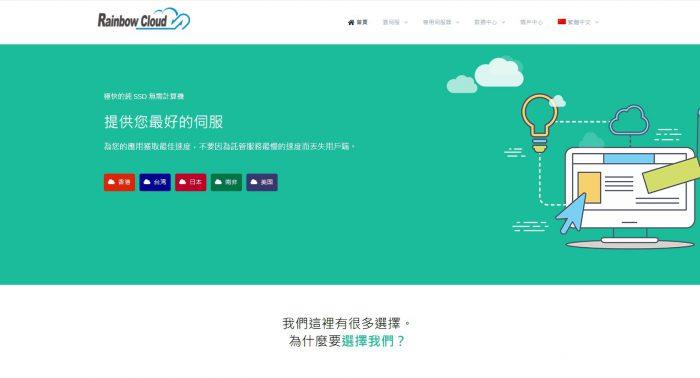
IMIDC彩虹数据:日本站群多ip服务器促销;30Mbps带宽直连不限流量,$88/月
imidc怎么样?imidc彩虹数据或彩虹网络现在促销旗下日本多IP站群独立服务器,原价159美元的机器现在只需要88美元,而且给13个独立IPv4,30Mbps直连带宽,不限制月流量!IMIDC又名为彩虹数据,rainbow cloud,香港本土运营商,全线产品都是商家自营的,自有IP网络资源等,提供的产品包括VPS主机、独立服务器、站群独立服务器等,数据中心区域包括香港、日本、台湾、美国和南非...
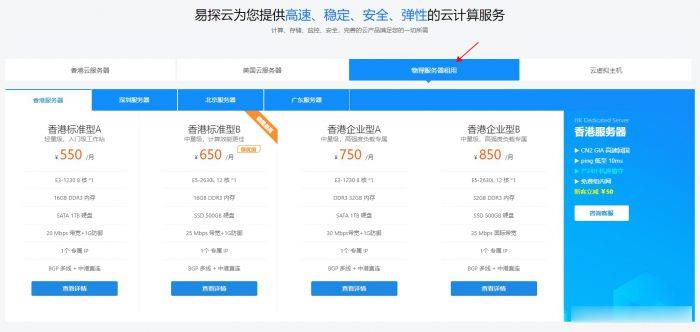
易探云:香港大带宽/大内存物理机服务器550元;20Mbps带宽!三网BGP线路
易探云怎么样?易探云隶属于纯乐电商旗下网络服务品牌,香港NTT Communications合作伙伴,YiTanCloud Limited旗下合作云计算品牌,数十年云计算行业经验。发展至今,我们已凝聚起港内领先的开发和运维团队,积累起4年市场服务经验,提供电话热线/在线咨询/服务单系统等多种沟通渠道,7*24不间断服务,3分钟快速响应。目前,易探云提供香港大带宽20Mbps、16G DDR3内存、...
搬瓦工:香港PCCW机房即将关闭;可免费升级至香港CN2 GIA;2核2G/1Gbps大带宽高端线路,89美元/年
搬瓦工怎么样?这几天收到搬瓦工发来的邮件,告知香港pccw机房(HKHK_1)即将关闭,这也不算是什么出乎意料的事情,反而他不关闭我倒觉得奇怪。因为目前搬瓦工香港cn2 GIA 机房和香港pccw机房价格、配置都一样,可以互相迁移,但是不管是速度还是延迟还是丢包率,搬瓦工香港PCCW机房都比不上香港cn2 gia 机房,所以不知道香港 PCCW 机房存在还有什么意义?关闭也是理所当然的事情。点击进...

蓝牙开发为你推荐
-
bftBFT和大学英语四,六级考试有什么区别免费erp如何有效的去使用一款免费的ERP微信红包图片怎么在微信上发发红包才能看的照片sap是什么美国SAP是什么考试app退款appstore充值后怎么退款aftereffectafter effect (AE)有哪几层,层有哪些属性?作用是什么?visio使用教程如何使用visio2013如何绘制UML图数据管理制度简述系统运行管理制度的主要内容snoopy官网SNOOPY鞋子是品牌吗tplink端口映射Tp-link路由器怎么设置端口映射 内网端口映射